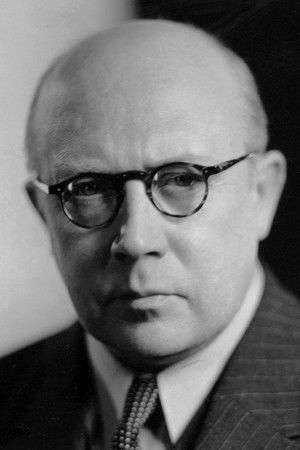
Gustaf Molander
Gustaf Molander lived from 1888 to 1973, a career spanning 66 years. Their work continues to be celebrated by fans worldwide.
Born in Helsinki, Finland, Gustaf Molander became one of Europe's most celebrated Directors during the Silent Generation era.
Gustaf Harald August Molander (18 November 1888 – 19 June 1973) was a Swedish actor and film director.
"Gustaf Molander's most defining career moment was undoubtedly directing "Crisis" (Kris) in 1946, which marked the directorial debut of Ingmar Bergman's screenwriting." — About Gustaf Molander
| Metric | Gustaf Molander | Avg Director | Difference |
|---|---|---|---|
| Age | 84 | 64 | +20 yrs |
| Career length | 66 yrs | ~35 yrs | +31 yrs |
| Based on 229 Director profiles in our database | |||
See also
Facts about Gustaf Molander
Did you know that Gustaf Molander, despite being born in Finland, was instrumental in shaping the early careers of two of Sweden's most internationally renowned filmmakers, Ingrid Bergman and Ingmar Bergman?
- Born in Helsinki, Finland, he hailed from a prominent Swedish theatrical family, moving to Sweden as a child.
- He directed Ingmar Bergman's very first screenplay, "Crisis" (Kris), in 1946, launching Bergman's film writing career.
- Molander directed the original Swedish film "Intermezzo" (1936), starring Ingrid Bergman, which led to her Hollywood debut.
- Before his prolific directing career, he was a respected stage actor at Stockholm's Royal Dramatic Theatre from 1909-1913.
- Over his career, he directed more than 60 films, making him one of the most prolific filmmakers in Swedish history.
Gustaf Molander's most defining career moment was undoubtedly directing "Crisis" (Kris) in 1946, which marked the directorial debut of Ingmar Bergman's screenwriting. This film adaptation of Bergman's play "Jackpot" showcased Molander's ability to nurture new talent and bridge theatrical and cinematic storytelling. He also famously directed Ingrid Bergman in "Intermezzo" (1936), leading directly to her Hollywood breakthrough.
Molander's lasting cultural impact lies in his extensive filmography that captured the essence of mid-20th century Swedish society and his pivotal role in launching the international careers of cinematic giants like Ingrid Bergman and Ingmar Bergman. He is remembered as a master craftsman who significantly contributed to the golden age of Swedish cinema.